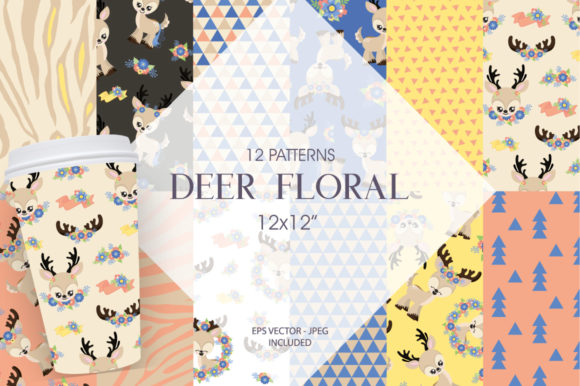
Deer Floral: Merging Natural Motifs with Modern Design and Lifestyle
The intersection of wildlife imagery and botanical artistry has long held a place in human expression, but Deer Floral represents a distinct evolution in how we integrate nature into our modern environments. No longer confined to traditional hunting lodges or vintage country aesthetics, this design motif has matured into a sophisticated symbol of balance, tranquility, and organic elegance. For professionals, creators, and homeowners navigating an increasingly digital and fast-paced world, Deer Floral offers a visual and thematic anchor that speaks to a collective desire for grounding without sacrificing contemporary style.
At its core, Deer Floral is more than just a pattern; it is a curated aesthetic that combines the grace and gentleness of cervine silhouettes with the intricate, vibrant details of floriculture. This pairing creates a narrative of harmony between fauna and flora, movement and stillness. Whether applied to interior design, fashion textiles, branding for wellness businesses, or digital content creation, the motif serves as a powerful tool for communicating values of sustainability, mindfulness, and natural beauty. Understanding the nuance of this trend is essential for anyone looking to create spaces or products that resonate with today’s conscious consumer.
The Evolution from Rustic Tradition to Contemporary Elegance
Historically, deer motifs were heavily gendered and stylized, often associated with masculine, rustic decor or rigid, repetitive textile prints. However, the current iteration of Deer Floral has shed these dated associations. We are witnessing a shift toward fluid, artistic interpretations where the deer is not merely a trophy or a cartoon, but a muse. Modern designers are utilizing negative space, watercolor techniques, and minimalist line work to reimagine the form. The floral elements are no longer generic background filler; they are specific, botanically accurate, or abstractly expressive compositions that interact dynamically with the animal figure.
This evolution mirrors broader shifts in design philosophy. The "Cottagecore" and "Biophilic Design" movements have paved the way for nature-inspired aesthetics to enter professional and urban spaces. People are no longer seeking escapism through artificial means; they want to bring the outside in. Deer Floral fits perfectly into this paradigm because it embodies the forest edge—the transitional zone where meadow meets woodland. It is soft yet structured, wild yet cultivated. For entrepreneurs and marketers, recognizing this shift is crucial. Utilizing Deer Floral in branding or environmental design now signals an appreciation for artisanal quality and ecological awareness rather than outdated nostalgia.
Psychological Resonance in High-Stress Environments
Why is this specific combination gaining traction among professionals and creatives aged 20 to 50? The answer lies in environmental psychology. In an era defined by screen fatigue and cognitive overload, visual environments play a critical role in mental regulation. The silhouette of a deer is universally recognized as gentle and alert, triggering a parasympathetic response that promotes calm. When paired with floral imagery, which studies suggest can lower cortisol levels and improve mood, the result is a potent restorative aesthetic.
For freelancers working from home offices, educators designing calming classroom environments, or business owners creating welcoming retail spaces, Deer Floral acts as functional decor. It is not passive decoration; it is an active participant in shaping the emotional tone of a space. Unlike stark minimalism, which can sometimes feel sterile, or maximalism, which can be overwhelming, this motif strikes a middle ground. It provides visual interest and texture while maintaining a sense of peace. This makes it particularly relevant for wellness practitioners, therapists, and yoga studios where the environment must support healing and focus.
Practical Applications Across Creative and Commercial Sectors
The versatility of Deer Floral extends far beyond wallpaper and throw pillows. Its adaptability makes it a valuable asset across various industries and creative disciplines. Understanding how to apply this motif effectively requires moving past clichés and embracing context-specific execution.
Interior Design and Spatial Planning
In residential and commercial interiors, scale and placement are paramount. A large-scale mural featuring Deer Floral can serve as a biophilic focal point in a lobby or waiting area, reducing perceived wait times and anxiety. Conversely, subtle, tonal variations of the pattern in upholstery or window treatments can add depth to a room without dominating it. Designers are increasingly using this motif to soften hard architectural lines in modern builds, creating a dialogue between industrial materials like concrete and steel and the organic softness of the print.
Brand Identity and Packaging
For businesses in the beauty, skincare, and sustainable fashion sectors, Deer Floral communicates purity and natural sourcing. However, execution matters. A luxury serum brand might use a gold-foil embossed deer intertwined with peonies to signal premium quality, while an eco-friendly children’s clothing line might opt for block-printed styles in earth tones to emphasize playfulness and safety. The key is alignment; the artistic style of the Deer Floral element must match the brand voice. Authenticity is non-negotiable for modern consumers who can easily spot performative aesthetics.
Digital Content and Social Media
Content creators and bloggers are finding that Deer Floral assets perform exceptionally well as backgrounds for text overlays, story templates, and website headers. The organic shapes provide natural "copy space" that rigid geometric patterns lack. Furthermore, because the motif bridges the gap between cottage charm and modern art, it appeals to a wide demographic cross-section. When sourcing or creating these assets, prioritize high-resolution, unique illustrations over stock vectors to maintain E-E-A-T (Experience, Expertise, Authoritativeness, and Trustworthiness) in your visual storytelling.
Sustainability and Ethical Considerations in Sourcing
As the popularity of Deer Floral grows, so does the responsibility to source it ethically. The audience engaging with this aesthetic is typically environmentally literate. They care about where their products come from and how they are made. Simply printing a picture of a deer on fast-fashion polyester contradicts the very essence of the motif.
Professionals and consumers should look for:
- Eco-Certified Textiles: Fabrics printed with water-based inks on organic cotton, linen, or hemp.
- Artist Collaboration: Supporting independent illustrators and surface pattern designers rather than mass-produced knockoffs ensures fair compensation and unique results.
- Local Production: Reducing carbon footprint by choosing regionally manufactured goods aligns with the "local ecology" spirit of the design.
- Durability: Investing in high-quality items that last reduces waste. A timeless Deer Floral piece should be an heirloom, not landfill fodder.
For business owners, transparency regarding these factors is a significant value-add. Documenting the journey of a Deer Floral product—from sketch to sustainable shelf—builds trust and deepens customer connection.
Navigating Trends Without Losing Timelessness
A common concern for investors in any design trend is longevity. Will Deer Floral feel dated in five years? The answer depends entirely on application. Trends become fads when they are applied superficially. They become classics when they are rooted in genuine human needs and universal themes.
To ensure your use of Deer Floral remains relevant, focus on the underlying principles rather than the specific viral iteration. Avoid neon colors or meme-adjacent stylizations unless they serve a very specific, short-term campaign. Instead, invest in interpretations that honor the anatomy of the animal and the botany of the flowers. Classic color palettes—sage greens, dusty roses, warm terracottas, and deep navies—tend to age better than trend-cycle neons. Additionally, mixing Deer Floral with other textures like wood, stone, ceramic, and metal grounds it in physical reality, preventing it from feeling like a fleeting digital filter.
The Future of Nature-Inspired Integration
Looking forward, we can expect Deer Floral to continue evolving alongside technology and lifestyle changes. Augmented reality (AR) experiences in retail may allow customers to visualize these patterns in their own homes before purchasing. Digital artists may create generative Deer Floral art that responds to real-time weather or seasonal data, bringing the concept of "living design" to screens. In education, interactive murals could teach biology and art simultaneously.
However, regardless of technological advancements, the fundamental appeal will remain constant. As long as humans seek connection with the natural world, motifs that beautifully represent that bond will hold value. Deer Floral is not merely a decorative choice; it is a reflection of our ongoing negotiation between the built environment and the natural one. For the modern professional, creator, or homeowner, it offers a tangible way to cultivate beauty, meaning, and resilience in daily life.
Ultimately, successful integration of Deer Floral requires intentionality. It asks us to slow down and consider the relationship between image and impact. Whether you are redesigning a workspace, launching a product line, or simply curating a personal sanctuary, let the motif serve as a reminder of the quiet strength found in nature. By approaching Deer Floral with respect for its roots and vision for its future, we ensure it remains a vital, enriching part of our cultural and visual landscape for years to come.