Evaluating Doodle Floral Seamless Patterns for Professional Design Projects
Selecting the right surface pattern is often a balancing act between aesthetic appeal and technical viability. When researching assets for textiles, stationery, or digital interfaces, the Doodle Floral Seamless Pattern occupies a specific niche that bridges organic artistry with commercial utility. Unlike rigid geometric repeats or hyper-realistic botanical illustrations, doodle florals offer a hand-drawn sensibility that retains high scalability through vector formats. Understanding the distinct characteristics of this style, alongside its technical specifications and practical limitations, is essential for designers and product developers comparing resources for their next project.
Defining the Hand-Drawn Vector Aesthetic
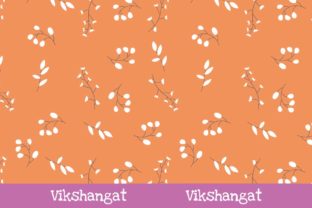
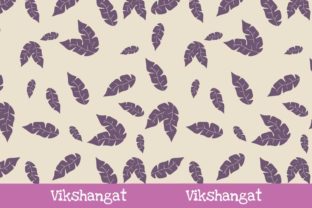
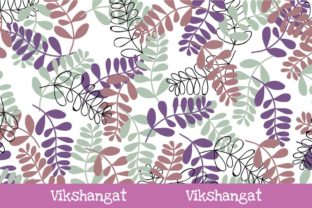
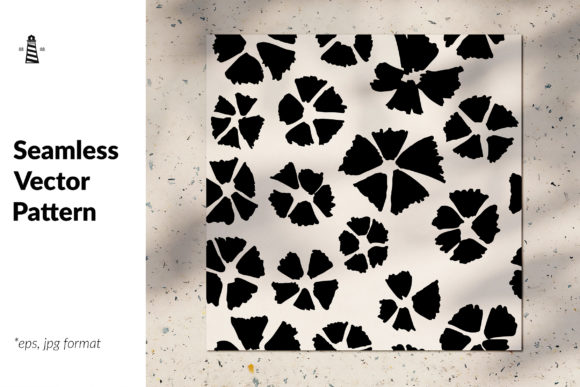
The term "doodle" in professional design does not imply carelessness; rather, it refers to a deliberate stylistic choice emphasizing line work, spontaneity, and imperfect symmetry. A high-quality Doodle Floral Seamless Pattern is characterized by carefully hand-drawn elements that have been digitized into clean vector paths. This distinction is critical when evaluating assets. While rasterized doodles may appear charming at small scales, they often degrade when scaled for large-format printing. True vector doodle patterns maintain crisp edges regardless of size, preserving the integrity of the original ink or pencil stroke.
This specific collection provides 100 unique vector art pieces, offering substantial variety within a cohesive visual language. For professionals, this volume allows for extensive mixing and matching without breaking the stylistic consistency of a brand identity or product line. The seamless nature of the repeat ensures that these organic forms can tile infinitely without visible grid lines or awkward juxtapositions, a common failure point in lower-quality hand-drawn assets.
Technical Specifications and Production Readiness
When comparing pattern resources, file deliverables often dictate the final decision. This asset package includes industry-standard formats: an EPS file, an Adobe Illustrator (AI) vector file, and a high-resolution JPG. Each format serves a distinct purpose in the production workflow.
- EPS and AI Files: These are the primary sources for modification. They allow designers to alter colors, scale individual motifs, adjust spacing, or isolate specific flowers for use as standalone icons. The vector data ensures compatibility with screen printing, embroidery digitizing, and laser cutting.
- JPG Reference Image: Sized at 69 x 69 inches at 300 DPI, this raster file serves as a massive proof-of-concept. At this resolution, the image covers approximately 5.75 square feet of print area without pixelation. This is particularly relevant for home decor applications like wallpaper or upholstery where standard web previews fail to represent true print quality.
The 300 DPI specification at such a large physical dimension is a significant differentiator. Many marketplace assets provide 300 DPI only at small dimensions (e.g., 12x12 inches), forcing designers to upscale digitally, which introduces artifacts. Starting with a native 69-inch canvas ensures that the Doodle Floral Seamless Pattern is genuinely press-ready for large-format textile manufacturing.
Comparing Doodle Florals Against Alternative Styles
To make an informed selection, it is helpful to position doodle florals against other prevalent pattern categories. Each style carries different connotations and technical requirements.
Versus Realistic Botanical Illustrations
Realistic botanical patterns excel in luxury packaging, fine art prints, and traditional wedding stationery. However, they can sometimes feel too formal or static for everyday consumer goods. A Doodle Floral Seamless Pattern offers a more approachable, contemporary alternative. The simplified forms reduce visual noise, making them better suited for backgrounds where text legibility is paramount, such as greeting cards or website headers. While realistic florals demand high color fidelity in printing, doodle styles often translate well to limited-color palettes, potentially reducing production costs in screen printing or risograph projects.
Versus Geometric and Abstract Repeats
Geometric patterns provide structure and modernity but can lack warmth. Doodle florals introduce organic irregularity that humanizes a design. In user experience (UX) design, for example, pure geometric backgrounds can sometimes create moiré effects on screens or feel sterile. The varied line weights and natural asymmetry of hand-drawn vectors mitigate these issues while maintaining a structured repeat. Conversely, if a project requires strict alignment with architectural grids or corporate minimalism, the playful nature of doodle art may be inappropriate.
Versus Rasterized Watercolor Textures
Watercolor patterns are popular for their softness, but they present significant editing challenges. Changing the hue of a watercolor wash often results in muddiness or loss of texture. Because the Doodle Floral Seamless Pattern is vector-based, recoloring is instantaneous and non-destructive. Designers can adapt the palette to seasonal trends or specific brand guidelines without degrading image quality. However, vectors cannot replicate the translucent layering and bleeding edges inherent to wet media. If the project specifically requires the emotional resonance of painted texture, a hybrid approach using vector doodles overlaid on raster textures may be necessary.
Best-Fit Applications and Use Cases
Based on the technical profile and aesthetic qualities, this pattern category performs exceptionally well in specific contexts:
- Textile and Apparel Design: The 69-inch repeat size aligns closely with standard fabric bolt widths. The hand-drawn aesthetic suits casual wear, children’s clothing, and bohemian home textiles. The vector format allows for easy separation of colors for rotary or screen printing.
- Paper Products and Packaging: Gift wrap, shopping bags, and tissue paper benefit from the continuous flow of seamless doodles. The style is versatile enough to work in both monochrome (for cost-effective kraft paper printing) and full color.
- Digital Backgrounds: For web pages and social media templates, the ability to scale vectors means faster load times compared to massive raster images. CSS can manipulate SVG versions of these patterns dynamically.
- Stationery Suites: Invitations and greeting cards often require coordinating patterns for envelopes, liners, and backdrops. Having 100 matching elements allows for a comprehensive suite design without sourcing multiple disparate assets.
Tradeoffs and Decision Factors
No single asset is universally perfect. Evaluating the tradeoffs helps prevent post-purchase friction.
Customization vs. Convenience: While having AI/EPS files offers total control, it also requires proficiency in Adobe Illustrator. Users unfamiliar with vector editing may find the learning curve steep compared to simply placing a JPG. If you lack vector skills, verify whether the seller offers customization services or if the included JPG suffices for your immediate needs.
Style Specificity: "Doodle" encompasses a wide range of interpretations. Some are minimalist and linear; others are dense and shaded. Carefully examine the preview of all 100 elements to ensure the specific line weight and density match your vision. A pattern that looks excellent on a screen may be too busy when printed on fabric or too sparse when used as a subtle watermark.
Licensing Considerations: Always review the license terms regarding commercial use, especially for textiles and wallpapers. Some licenses restrict the number of units sold or require attribution. Ensure the license covers your intended scale of production. Vector assets are valuable because they enable derivative works, but this also makes licensing compliance more complex than with flat raster images.
Making the Final Selection
Choosing a Doodle Floral Seamless Pattern should be driven by project requirements rather than trend alone. If your priority is editability, scalability, and a warm, handcrafted aesthetic that avoids the rigidity of digital perfection, this asset type is a strong contender. The inclusion of 100 vector elements and a massive 300 DPI master file addresses the most common pain points in professional pattern usage: insufficient resolution and lack of variety.
However, if your project demands photorealism, complex painterly textures, or ultra-minimalist geometry, exploring alternative categories may yield better results. By weighing the technical advantages of vector artistry against the specific emotional and functional needs of your project, you can select a resource that supports both your creative vision and your production timeline. Ultimately, the value lies not just in the visual charm of the doodles, but in the flexibility they provide throughout the entire design-to-print lifecycle.