Understanding Floral Mandala and Geometrical Psychedelic Vector Backgrounds
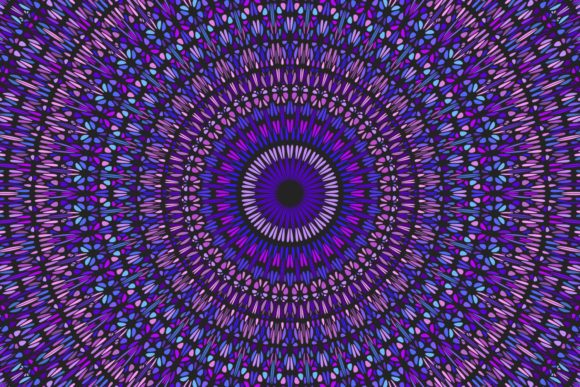
In the vast landscape of digital design, few visual elements possess the immediate arresting power of a floral mandala pattern background. Whether encountered on a book cover, a textile print, or a high-resolution website header, these designs combine mathematical precision with organic beauty. When we discuss a geometrical psychedelic oriental abstract circular mosaic pattern mandala background design, we are referring to a specific intersection of art history, mathematics, and modern vector technology. For designers, marketers, and creative enthusiasts, understanding the nuances of these hypnotic colorful vector graphics is essential for utilizing them effectively.
This guide explores the anatomy of these intricate designs, moving beyond simple aesthetics to understand their technical specifications, cultural significance, and practical applications in today’s digital-first world. We will examine why formats like JPG 5000x5000, Vector EPS, and Vector AI matter, and how curved shapes create that signature hypnotic effect.
The Anatomy of Hypnotic Circular Design
To truly appreciate a floral mandala, one must first understand its structure. The term "mandala" originates from Sanskrit, meaning "circle." In both spiritual and artistic contexts, it represents wholeness and infinity. However, when translated into modern graphic design, specifically within the realm of geometrical psychedelic oriental abstract art, the definition expands.
Symmetry and Curved Shapes
The primary driver of the "hypnotic" quality in these backgrounds is radial symmetry. Unlike linear patterns that guide the eye from left to right, circular mosaics pull the viewer's gaze toward a central focal point. This is achieved through:
- Radial Balance: Elements radiate outward from a center point, creating a sense of movement even in a static image.
- Curved Geometry: While traditional geometry relies on straight lines, floral mandalas utilize Bézier curves. These organic arcs mimic nature (petals, vines, water ripples) while adhering to strict mathematical grids.
- Repetition with Variation: The brain finds comfort in predictable patterns, but engagement requires novelty. High-quality designs repeat motifs while subtly altering color or scale to maintain visual interest without causing fatigue.
The Role of Color in Psychedelic Art
Color is not merely decorative in this context; it is structural. A "psychedelic" designation implies high contrast, saturation, and often non-naturalistic color palettes. These choices serve a functional purpose. Vibrant hues differentiate complex layers of the mosaic, allowing the eye to parse dense information. Without distinct color separation, a highly detailed oriental abstract pattern would appear as visual noise rather than a coherent design.
Technical Specifications: Raster vs. Vector Formats
One of the most common misunderstandings among beginners is assuming all digital backgrounds function identically. When sourcing or creating a floral mandala pattern background, the file format dictates the utility. Understanding the difference between a JPG 5000x5000 and a Vector EPS/AI file is critical for professional results.
High-Resolution Raster (JPG 5000x5000)
A JPG file at 5000x5000 pixels is a massive raster image. It contains 25 million individual pixels. This resolution is generally sufficient for large-format printing (such as posters or banners) and high-definition web displays. However, because it is pixel-based, it has limitations:
- Fixed Dimensions: Scaling up beyond 5000px will result in pixelation and loss of clarity.
- Editability: Changing a single color or adjusting the curve of a petal in a flattened JPG is nearly impossible without advanced retouching skills.
- File Size: High-res JPGs can be heavy, potentially slowing down web performance if not optimized.
Vector Formats (EPS and AI)
Conversely, Vector EPS and Vector AI files are the industry standard for mandala design. Instead of pixels, these files use mathematical equations to define lines, curves, and shapes. This distinction offers profound advantages:
- Infinite Scalability: A vector mandala can be scaled to the size of a postage stamp or a billboard without losing a single fraction of detail. The curves remain perfectly smooth at any magnification.
- Total Customization: Designers can open an AI or EPS file and instantly recolor the entire palette to match brand guidelines. Individual elements can be moved, deleted, or reshaped.
- Clean Edges: For print production, vectors ensure crisp edges that raster images sometimes fail to reproduce, especially on textured media like fabric or uncoated paper.
Pro Tip: Always request or purchase the source vector file if you anticipate needing to adapt the design for multiple mediums. The JPG serves as a preview or a final output, but the vector is the master asset.
Cultural Context and Modern Relevance
It is important to address the cultural weight of these designs. The descriptor "oriental abstract" references centuries of artistic tradition spanning India, Persia, China, and Islamic geometric art. These patterns were historically used in architecture, textiles, and meditation aids to represent cosmic order.
In modern application, there is a fine line between appreciation and appropriation. When using a floral hypnotic colorful vector graphic, consider the following:
- Acknowledge Origins: If the design is heavily derivative of a specific cultural tradition (e.g., Islamic Zellige tilework or Indian Rangoli), credit the inspiration.
- Avoid Sacred Misuse: Be cautious about placing sacred symbols on disposable items, footwear, or inappropriate commercial products.
- Fusion vs. Imitation: The best modern designs fuse traditional geometry with contemporary color theory and composition, creating something new rather than merely copying ancient artifacts.
Beyond ethics, these patterns remain relevant because they satisfy a psychological need for order. In an era of digital chaos and information overload, the structured harmony of a circular mosaic provides a visual anchor. This is why they are increasingly popular in wellness apps, educational materials for focus, and corporate branding seeking to convey stability and creativity.
Practical Applications Across Industries
The versatility of geometrical psychedelic mandala backgrounds makes them applicable far beyond niche art projects. Here is how different sectors leverage these assets:
Branding and Packaging
Consumer goods, particularly in the beauty, tea, and holistic health sectors, frequently utilize floral mandalas. The intricate detail suggests craftsmanship and premium quality. Because vector files allow for spot color printing and foil stamping, these designs translate beautifully to luxury packaging where tactile experience matters.
Web and UI Design
While full-screen psychedelic backgrounds can overwhelm text, cropped sections or low-opacity overlays add depth to user interfaces. A subtle, animated vector mandala can serve as a loading screen or a hero section backdrop, adding dynamism without sacrificing readability. The key here is utilizing the scalability of EPS/AI files to create lightweight SVG versions for the web.
Education and Therapy
Mandala coloring books have exploded in popularity as therapeutic tools. Educators and therapists use these circular patterns to help individuals practice mindfulness and fine motor skills. Digital versions allow for interactive learning experiences where students can manipulate symmetry and color, turning passive observation into active creation.
Textile and Surface Design
Fashion and interior design rely heavily on seamless repeating patterns. A single floral mandala unit can be tiled to create yardage for clothing, wallpaper, or upholstery. The "curved shapes" inherent in these designs help hide seams and create a fluid appearance on draped fabrics, unlike rigid geometric grids which can look distorted when folded.
Common Misunderstandings Clarified
As you explore this topic, be aware of several assumptions that can lead to poor design outcomes:
Misconception 1: "More detail is always better."
Actually, negative space is as important as positive space. A mandala that is too dense becomes muddy, especially when printed at smaller sizes. Effective design balances complexity with breathing room.
Misconception 2: "Psychedelic means messy."
True psychedelic art is highly disciplined. The "trippy" effect comes from precise optical interactions, not random splashes of color. If a design feels chaotic rather than hypnotic, it likely lacks underlying geometric structure.
Misconception 3: "Vectors are only for logos."
Many assume vectors are limited to simple icons. On the contrary, modern software allows for incredibly complex, painterly vector illustrations. A floral mandala is perhaps the perfect example of vector art’s capacity for extreme intricacy.
Building a Broader Visual Literacy
Engaging with floral mandala pattern backgrounds is more than a technical exercise; it is a lesson in visual literacy. By studying how curved shapes interact, how color creates hierarchy, and how mathematical precision yields organic beauty, you develop a sharper eye for all forms of design.
Whether you are selecting a JPG 5000x5000 for a quick mockup or editing a Vector AI file for a global campaign, remember that these patterns bridge the ancient and the digital. They remind us that even in our technological age, we are still drawn to the fundamental human impulse to create order, find beauty in repetition, and seek meaning in the circle. Approach these designs with respect for their origins and mastery of their technical potential, and they will serve as powerful tools in your creative arsenal.