Evaluating Alphabet Floral Digital Assets for Creative Projects
Selecting the right typography assets is a critical step in digital crafting and graphic design. When evaluating Alphabet Floral designs, it is necessary to look beyond the aesthetic appeal and consider technical compatibility, practical application, and project suitability. This resource provides a comprehensive breakdown of what this specific digital asset entails, helping designers and crafters determine if it aligns with their current workflow and creative objectives.
Understanding the Alphabet Floral Asset
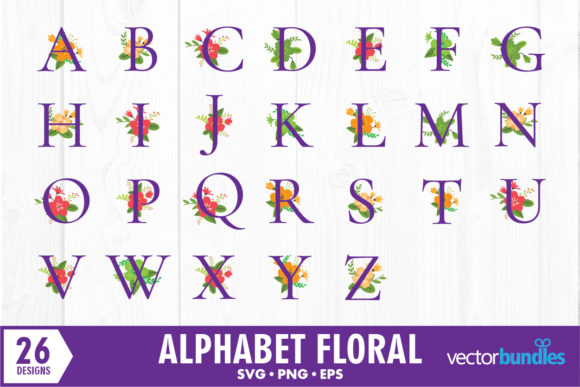
Alphabet Floral refers to a collection of typographic characters integrated with botanical or floral illustrations. Unlike standard fonts where letters are uniform blocks of color, these designs treat each letterform as an individual piece of vector art. The primary value proposition lies in the fusion of legibility and organic decoration, allowing text to serve as both communication and visual ornamentation simultaneously.
When you acquire this asset, you receive a single ZIP file containing three distinct formats: SVG, PNG (transparent), and EPS. This multi-format approach is designed to bridge the gap between hobbyist cutting machines and professional vector editing software. Understanding the specific utility of each file type is essential for maximizing the value of the download.
Technical Specifications and Compatibility
The inclusion of multiple file types addresses different segments of the creative market. Evaluating which format suits your specific hardware or software is the first decision point.
- SVG Files: Scalable Vector Graphics are the industry standard for electronic cutting machines. These files maintain mathematical precision at any size, ensuring clean cut lines without pixelation. They are natively compatible with Cricut Design Space, Silhouette Designer Edition, SCAL, and ScanNCut. For users focused on physical fabrication, this is typically the primary file used.
- PNG Transparent Files: Raster images with transparent backgrounds serve as the universal option for printing and digital layout. While they cannot be resized indefinitely without quality loss, they are immediately usable in most word processors, presentation software, and basic photo editors. This format lowers the barrier to entry for users who do not own specialized vector software.
- EPS Files: Encapsulated PostScript is the preferred format for professional illustration and advanced editing. Compatible with Adobe Illustrator, Corel Draw, and Inkscape, EPS files allow for node-level manipulation. If you intend to modify the floral elements, change colors individually, or combine letters into custom ligatures, the EPS format provides the necessary editable architecture.
Practical Applications and Use Cases
The versatility of Alphabet Floral makes it applicable across various mediums. However, its effectiveness depends heavily on the context of use. Below is an evaluation of common applications based on practical performance.
Cutting Machines and Vinyl Projects
For users operating Cricut or Silhouette machines, this asset is particularly strong for adhesive vinyl and heat transfer vinyl (HTV) projects. The intricate nature of floral typography requires careful consideration of material choice. Detailed serifs and delicate petals may tear during weeding if the vinyl is too brittle or the cut settings are incorrect. This asset performs best on premium cast vinyl or smooth HTV rather than glitter or flock materials, which can obscure fine details.
Apparel and Merchandise
T-shirt and mug designs benefit from the decorative nature of these letters. Because the letters are illustrative, they often eliminate the need for additional clipart or borders. This can streamline production time and reduce layer counts in multi-color prints. However, users should evaluate the contrast requirements; highly detailed floral letters may lose definition when printed via direct-to-garment (DTG) methods on dark fabrics unless a white underbase is utilized effectively.
Paper Crafts and Stationery
Scrapbooking, invitation design, and card making represent ideal environments for Alphabet Floral. The resolution provided by the SVG and EPS formats ensures crisp edges even at small scales suitable for place cards or journaling headers. For printable decorations, the transparent PNG allows for easy layering over patterned paper backgrounds without requiring advanced masking techniques.
Benefits and Tradeoffs
An objective assessment requires weighing the advantages against potential limitations. While Alphabet Floral offers significant decorative value, it introduces complexities that standard block lettering does not.
Key Advantages
- Aesthetic Efficiency: Combines text and illustration into a single element, reducing the cognitive load of designing balanced layouts.
- Format Flexibility: The trio of SVG, PNG, and EPS ensures longevity and usability across changing software ecosystems.
- Scalability: Vector-based formats allow for use on items ranging from ring boxes to large-format banners without re-sourcing artwork.
Considerations and Limitations
- Readability vs. Ornamentation: Highly stylized floral alphabets can sometimes sacrifice legibility for beauty. They are generally better suited for short words, names, or headlines rather than body text or long sentences.
- Weeding Complexity: For crafters, the interior negative spaces (counters) of floral letters can be tedious to weed. Users must factor in additional labor time compared to sans-serif alternatives.
- Software Learning Curve: While PNGs are accessible, unlocking the full potential of the EPS and SVG files requires familiarity with vector layer management. Beginners may find the initial setup in Design Space or Illustrator challenging.
- Preview Exclusion: It is important to note that the preview image is not included in the download. Buyers must rely on product listing visuals for reference and should organize their local files systematically upon extraction to avoid confusion.
Determining Suitability for Your Goals
Deciding whether to integrate Alphabet Floral into your library involves matching the asset’s characteristics to your specific project parameters.
When This Asset Is a Strong Fit
This collection is highly recommended for projects where emotion and personalization take precedence over strict utilitarian readability. Wedding stationery, baby shower decor, personalized gifts, and boutique branding are prime candidates. If your workflow already includes vector editing capabilities or electronic cutting hardware, the multi-format delivery maximizes return on investment. Additionally, creators looking to establish a cohesive "cottagecore," vintage, or romantic aesthetic will find the integrated style saves significant sourcing time.
When Alternatives May Be Preferable
If your primary goal is high-density information display, such as instructional signage, pricing lists, or corporate documentation, a cleaner sans-serif or slab-serif font is likely more appropriate. Similarly, if you lack access to vector software and require frequent resizing for varied print dimensions, relying solely on the PNG format may lead to quality issues; in such cases, seeking a web-font alternative or a simpler raster alphabet might be more practical. Finally, for mass-production environments where speed is paramount, the intricate detailing of floral letters may create bottlenecks in weeding or printing registration that simpler geometries would avoid.
Final Evaluation Insights
Alphabet Floral represents a specialized tool within the broader typography landscape. Its value is derived not just from the visual design, but from the comprehensive file package that supports diverse creation methods. By understanding the distinct roles of SVG, PNG, and EPS formats, and by realistically assessing the tradeoffs between ornamentation and function, creators can make informed decisions about incorporating this asset into their repertoire. Successful utilization depends on aligning the decorative complexity of the letterforms with the technical constraints of the chosen medium and the legibility requirements of the end viewer.