Floral Decor Design Element Cut File: Versatility in Modern Digital Crafting
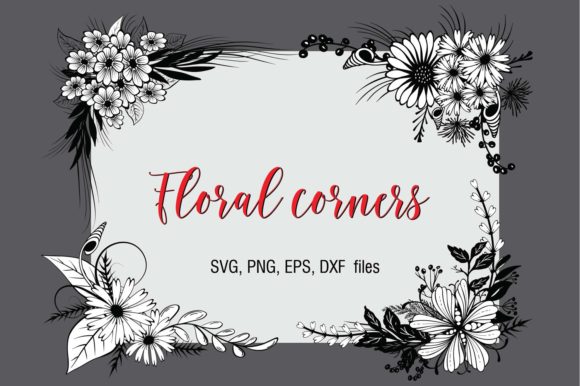
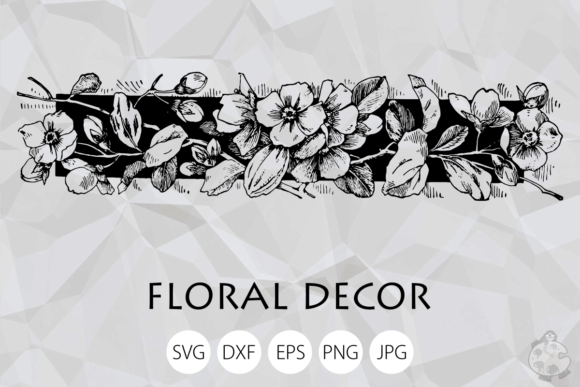
The intersection of traditional botanical aesthetics and modern digital fabrication has created a sustained demand for high-quality vector assets. Among these resources, the Floral Decor Design Element Cut File stands out as a foundational tool for creators who require precision, scalability, and cross-platform compatibility. This specific asset category bridges the gap between professional graphic design and accessible home crafting, offering a decorative flower illustration that serves multiple functions across different media. Whether utilized for laser-cut signage, vinyl decals, or high-resolution print collateral, the utility of this design lies in its technical versatility and timeless visual appeal.
In an era where personalization drives consumer engagement and DIY culture continues to mature, having access to clean, optimized vector files is no longer a luxury but a necessity. The Floral Decor – Clip Art Cut File represents more than just a pretty picture; it is a functional component in a larger production workflow. Understanding the specific file formats included—EPS, SVG, DXF, JPG, and Transparent PNG—is essential for maximizing the value of this asset and ensuring seamless integration into both creative and commercial projects.
The Evolution of Botanical Vectors in Digital Workflows
Historically, floral illustrations were static images locked into specific resolutions or physical mediums. The shift toward parametric and vector-based design has fundamentally changed how creators approach botanical decor. Today, users expect assets that are agnostic to the output device. A design intended for a Cricut cutter today might need to be resized for a large-format banner tomorrow or engraved onto wood using a laser system next week. This fluidity requires files that maintain integrity regardless of scale.
The Floral Decor Design Element Cut File addresses this evolution by providing a comprehensive suite of formats rather than a single file type. This multi-format approach acknowledges the fragmented nature of the current creative technology landscape. Professionals and hobbyists rarely use a single ecosystem; they move between Adobe Illustrator, Inkscape, AutoCAD, and proprietary cutting software like Silhouette Studio or Brother CanvasWorkspace. By standardizing the delivery of EPS, SVG, DXF, JPG, and PNG files, this asset eliminates the friction of file conversion, which often introduces node errors or degrades image quality.
Furthermore, the decision to provide the design in black only reflects a sophisticated understanding of modern customization. While pre-colored clip art has its place, a monochromatic vector base offers superior flexibility. It allows designers to apply custom color palettes, gradients, or textures within their native software without having to ungroup complex layered artwork. For cutting machines specifically, a solid black silhouette ensures accurate path detection, reducing the risk of miscuts that can occur with low-contrast or multi-colored source files.
Technical Specifications and Platform Compatibility
Understanding what you get is critical for project planning. This package includes five distinct file types, each serving a specialized role in the production pipeline. Recognizing the strengths and limitations of each format prevents workflow bottlenecks and ensures the final output meets professional standards.
- 1 EPS (Encapsulated PostScript): This is the industry-standard vector format for professional design software. It is fully compatible with Inkscape, Adobe Illustrator, and CorelDRAW. The EPS file preserves all curve data and nodes, making it ideal for editing, resizing, and combining with other vector elements. It is the master file from which other formats should be derived if modifications are needed.
- 1 SVG (Scalable Vector Graphics): Optimized for consumer cutting machines, this file is natively supported by Cricut Design Space, Silhouette Studio (Designer Edition), and Brother CanvasWorkspace. Unlike raster images, the SVG contains cut paths that the machine interprets directly. This format is essential for creating vinyl stickers, iron-on transfers, and paper crafts without manual tracing.
- 1 DXF (Drawing Exchange Format): This format bridges the gap between graphic design and industrial fabrication. Compatible with AutoCAD and Graphtec cutters, the DXF file is crucial for users working with laser engravers, CNC routers, or sign-making plotters. It translates the organic curves of the floral decor into precise geometric data that engineering-focused software can process accurately.
- 1 JPG (Joint Photographic Experts Group): Included for reference and non-cutting print applications, this raster file is suitable for sublimation, screen printing, or digital mockups. Please note: This file is not cuttable. It lacks the vector path data required by cutting machines and will pixelate if enlarged significantly beyond its native resolution.
- 1 Transparent PNG (Portable Network Graphics): Like the JPG, this is a raster image intended for printing and digital overlay. The transparent background makes it perfect for placing over colored substrates or integrating into web designs. This file is also not cuttable. It serves as a visual guide or a print-and-cut layer but cannot function as a standalone cut file.
Users must verify compatibility with their specific software and hardware before purchase. While these formats cover the vast majority of current systems, firmware updates and legacy software versions can occasionally present unique challenges. Testing the file on a small scale before committing to expensive materials is always a recommended best practice.
Practical Applications Across Creative Disciplines
The true value of the Floral Decor – Clip Art Cut File emerges when applied to real-world scenarios. Its relevance spans multiple industries and hobbyist niches, demonstrating how a single design element can adapt to diverse market needs.
Small Business Product Development
For entrepreneurs running Etsy shops or local craft businesses, time-to-market is a key performance indicator. Creating original botanical vectors from scratch requires significant skill and time. Utilizing a professionally designed cut file allows business owners to focus on product assembly and marketing rather than illustration. This design is particularly effective for wedding stationery, personalized gift tags, and branded packaging. Because the file is provided in black, it can be easily adapted to match seasonal color trends or specific client branding guidelines without requiring advanced illustration skills.
Educational and Institutional Use
Educators and event coordinators often require decorative elements that are cost-effective and customizable. The SVG and DXF formats allow schools and community centers to produce their own decor in-house using existing equipment. From classroom bulletin board borders to ceremony programs, the ability to cut or print this floral motif on-demand reduces reliance on expensive pre-made supplies. The scalability of the vector files means the same design can be used for a tiny lapel pin or a large stage backdrop, maintaining visual consistency across different scales.
Professional Signage and Fabrication
Sign makers and fabricators benefit significantly from the inclusion of the DXF and EPS formats. Organic shapes like flowers can be difficult to draft manually in CAD environments. Having a pre-optimized vector path ensures smooth toolpaths for laser cutters and CNC machines, reducing machining time and material waste. The clean lines of this Floral Decor Design Element Cut File translate well to acrylic, wood, and metal, making it suitable for permanent installations, retail displays, and architectural details.
Navigating Raster vs. Vector Limitations
A common point of confusion for new users is the distinction between cuttable and non-cuttable files. It is vital to emphasize that while the JPG and Transparent PNG files are included in this package, they are strictly for visual or printing purposes. Attempting to auto-trace these raster images in cutting software often results in jagged edges, excessive nodes, and poor cutting performance.
The "Not Cuttable" designation on the raster files is a safeguard to manage user expectations. High-quality printing requires pixels; high-quality cutting requires paths. By separating these functions, the asset provider ensures that users select the correct tool for the job. If your goal is to create a vinyl decal, ignore the PNG and JPG entirely and work exclusively with the SVG or DXF. If your goal is to print a pattern onto fabric for sublimation, the high-resolution JPG or Transparent PNG is the appropriate choice. Understanding this dichotomy is fundamental to efficient digital crafting.
Future-Proofing Your Asset Library
As technology evolves, so do file standards. However, the core formats included in this package—EPS, SVG, and DXF—have demonstrated remarkable longevity. They are open or widely licensed standards that have survived decades of software turnover. Investing in assets that utilize these universal formats protects your creative library against obsolescence. Proprietary file types may become unreadable as companies discontinue support, but vector standards remain interoperable.
Moreover, the aesthetic of the Floral Decor Design Element Cut File is designed for endurance. Unlike trendy graphics that feel dated within months, classic botanical line work maintains its relevance across changing design movements. This longevity makes it a sustainable addition to any digital asset library. Whether you are a freelancer building a portfolio of reliable resources or a hobbyist looking for go-to designs, this file offers a balance of immediate utility and long-term value.
Ultimately, successful digital creation depends on the quality of the raw materials. The Floral Decor – Clip Art Cut File provides a robust foundation for innovation, supporting everything from intricate paper cuts to large-scale industrial fabrication. By respecting the technical specifications and leveraging the appropriate format for each application, users can unlock the full potential of this versatile design element. Always remember to check your machine’s documentation regarding file import settings, and embrace the creative freedom that comes with owning a truly multi-functional vector asset.